
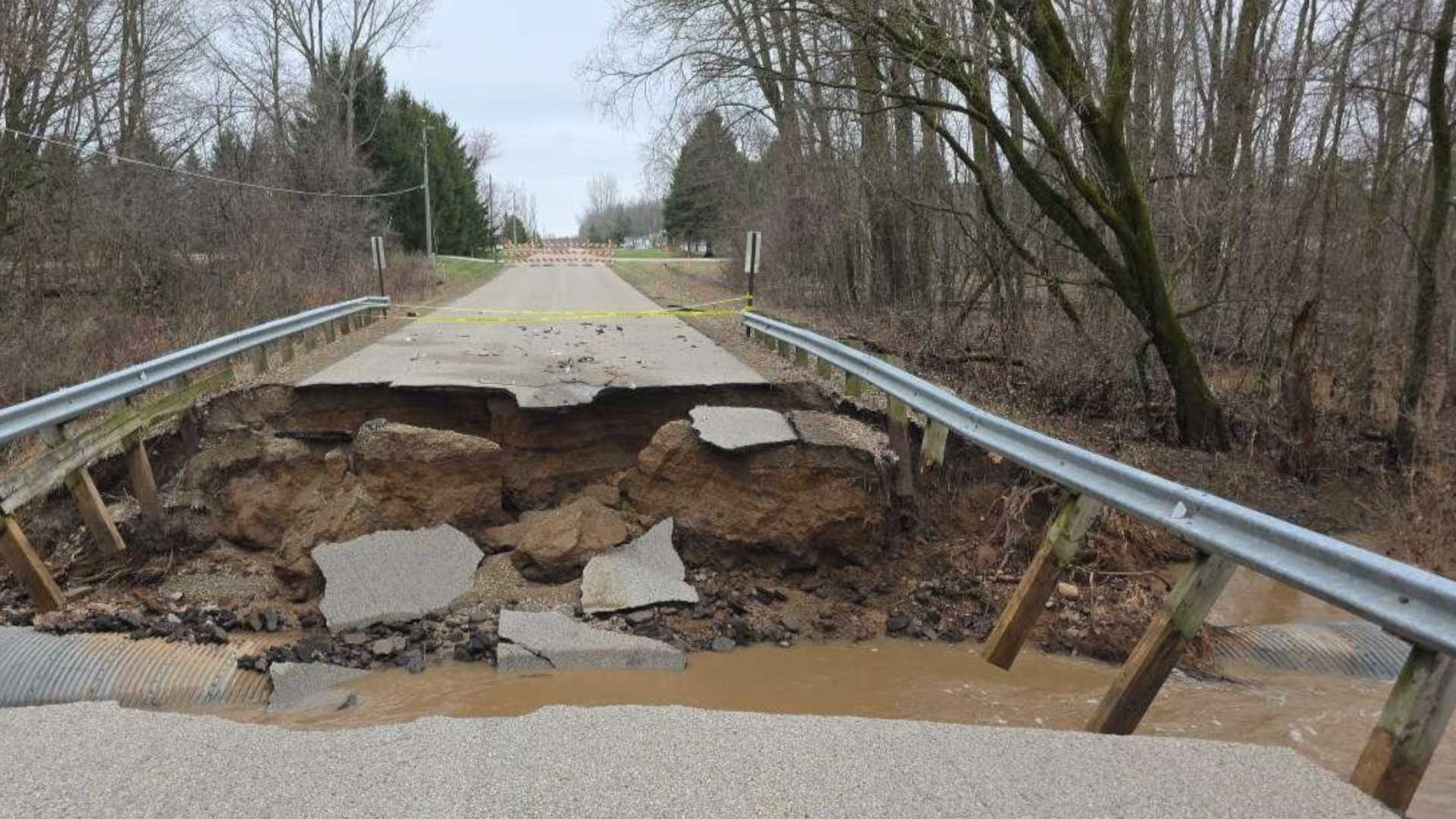
Q: My home was damaged by storms or flooding. What do I do now?
If you haven’t already done so, contact your insurance company to see if the damage is covered. Be sure to document all damage, including taking photos and videos from multiple angles before moving anything. If you are unsure what you can do before an insurance adjuster arrives, check with your provider/agent.
When documenting damage, it is important to create a list of damaged items, including any spoiled food due to a long-term power outage. Keep swatches of damaged material, such as carpeting, curtains, and furniture. Don’t throw out any damaged property without the claim adjuster’s agreement. If local officials require you to dispose of damaged items for safety, photos and swatches will help.
Keep receipts for repairs. It is important to keep records of any estimates for repairs to your property, even if you end up deferring the work.
When documenting damage keep safety in mind. Stay out of floodwaters and do not enter buildings until authorities confirm it is safe. If you suspect damage to electrical wiring or gas lines, contact your utility provider before entering your home.
Q: How do I report damage to my property?
Pay attention to announcements from your county, local, or tribal government officials. They may ask for damage reports and will direct you how to do so. If officials ask you to report damage to 211 Wisconsin, that can be done by dialing 2-1-1 or visiting https://211wisconsin.communityos.org/damage-report.
This is important for municipalities, counties and the state to understand the disaster’s impact. This information helps officials determine community needs and allocate resources, assistance requests, and expedite the recovery process.
Keep in mind that reporting damage is not a substitute for filing an insurance claim but plays a role in your community’s recovery efforts.
Q: Do I need to wait to make repairs or cleanup damage?
You can make temporary repairs to protect the property from further damage, including cleaning up debris, but make sure you document everything thoroughly first. Keep receipts of what you paid for temporary repairs and include them in your insurance claim.
Permanent repairs must wait until the insurance adjuster has had a chance to assess the damage. An adjuster is a person professionally trained to assess the damage.
If it is necessary for you to move into a motel or apartment temporarily because of damage caused by a peril covered by your policy, your insurance company may pay reasonable and necessary additional living expenses. Your insurance company may also advance funds if you need to replace major household items to continue living in your home. The payments will be part of your final settlement.
Q: A state of emergency was declared. What does that mean?
A state of emergency can be declared by the Governor of Wisconsin for the state or any portion of the state they determine an emergency exists from a disaster or the imminent threat of disaster. A state of emergency in Wisconsin shall not exceed 60 days, unless it is extended by joint resolution of the legislature. It can be found under Wisconsin State Law under statute 323.10.
A state of emergency declaration provides the legal means needed to deploy resources efficiently and effectively to respond to a crisis or disaster to protect lives and property. At a state level, counties or tribes need to request the resource before it can be deployed or fulfilled.
Unless otherwise stated in the declaration, a state of emergency DOES NOT mean:
- The need to evacuate
- Schools, businesses, or government offices close
- Driving or travel is banned
- Curfews are put in place
Q: My home is damaged. Is there financial assistance available from the state to help make repairs?
The state of Wisconsin does not have a standing assistance program to help private property owners make repairs from flooding or storms. You should still report that damage to local officials and take pictures. That information will be given to Wisconsin Emergency Management (WEM) as it works to determine whether there is enough damage for Wisconsin to request federal assistance for those who suffered damage to their primary residence.
Even if available, federal assistance for homeowners, known as individual assistance, is not intended to cover all losses caused by a disaster. This program focuses on providing financial and direct services to individuals and households to meet their basic critical needs and help them get back on their feet after a disaster.
If the state seeks and receives a federal disaster declaration, information on Federal Emergency Management Agency (FEMA) Individual Assistance Programs would be provided by the federal government and the Wisconsin Department of Military Affairs Division of Emergency Management.
If you have an immediate need for assistance, please contact 211 Wisconsin.
Q: We have downed trees. What do we do with it?
Information on debris cleanup or other disaster recovery information may be available through local, county or tribal government communication channels. Many communities have brush collection services or a site where you can drop off leaves, pine needles and branches that may have been scattered during the storms. Perhaps there’s even enough debris on your property to warrant the rental of a brush chipper.
If your property is large enough, you can create a brush pile away from buildings that could serve as shelter for wildlife. Larger pieces of hardwood can be cut for firewood or for use in campfire pits.
If none of these alternatives work for your situation and your community allows for burning the material, timing the burn around periods of wet weather may be the safer choice.
Before you light that match, take the following precautions:
- Check for burn permit requirements and burning restrictions first. You can find information on the DNR’s Burning Restrictions webpage or by calling your nearest DNR office or local fire department.
- Watch the weather forecast. Delay burning if dry or windy weather is predicted.
- Be aware of your county’s fire danger by calling 1-888-WIS-BURN (947-2876) or visiting WisBurn.
- Keep debris piles small, with the area around the pile cleared of any burnable vegetation.
- Have a water source and tools handy – and if the fire escapes your control, dial 911 immediately.
- Stay with the fire until you have completed the burn. Make sure it’s out before you leave by dousing the ashes with water and mixing it in. Then, just to be safe, add more water. If any branches or larger pieces of wood remain unburned, check back frequently to make sure this material hasn’t reignited.
Local volunteer organizations may also help with tasks such as debris removal and cleaning out flooded basements.
Q: What do I do with leftover sandbags?
Sandbags used during flooding that came in contact with floodwaters may be contaminated. Sand or sandbags that contacted floodwater should not be reused in ways involving direct human contact, such as sandboxes, beaches, or school yards. Contact local officials to check on sandbag disposal in your community or dispose of sandbags at a solid waste transfer station or landfill.
Q: What do I do with flood damaged items?
Carpeting, furniture, drywall and other personal items that are no longer usable due to flood damage should be disposed of at a landfill. Contact local officials for community drop-off options or bring to a solid waste transfer facility or landfill.
Q: I reported damage to the county, but nobody came to look at it yet. Why not?
Make sure you reported it to the appropriate place (verify if 2-1-1 or emergency management office was contacted). If you reported damage, that information is being reviewed by local officials, and it is extremely valuable for helping to assess the impact of a disaster. Depending on the situation, it may not be necessary for officials to visit all homes that reported damage. They may have simply conducted a drive by assessment to verify damage if it is apparent from the curb. If more information is needed or a request is made for a federal review of the damage, it’s possible you may be contacted in the future.
Q: I own a small business or a farm. Is there any assistance available for me right now?
Any state programs that may be available to assist small business owners would likely be announced by the governor’s office or Wisconsin Economic Development Corporation (WEDC). Businesses may also want to contact their local economic development agency/chamber of commerce for information on local assistance that may be available.
Agricultural producers should contact their local Farm Services Agency (FSA) office to report damage and see if any programs are available to assist them. DATCP is available for farmers needing resources. Farmers can contact the Wisconsin Farm Center staff at (800) 942-2474 for assistance with mediation, financial analysis, and emotional stress. Farmers can also contact the Bureau of Consumer Protection staff at (800) 422-7128 for advice on hiring contractors and checking their complaint history before signing a contract.
Q: My home is flooding all the time, and I want the government to buy me out. How does that process work?
Receiving funding and administering a grant for a home buyout is a complex process that can take a long time to complete. Programs are not always available, and not all properties will qualify. If you are interested in a buyout, contact your local emergency management office to let them know and to get more information on what might be available. All state and federal programs require that a local community apply on your behalf (e.g. sponsor your application). The various programs available work through a local unit of government and have different requirements.
For all grant programs, a local cost share is required and must be considered before an application can begin. The local unit of government must commit to the cost share, but it can come from the property owner or other types of services.
Questions on the FEMA Process
Q: When is FEMA coming? Why aren’t they here already?
A request for federal assistance is made only after state and local agencies have exhausted all available resources responding to a disaster. There are several factors the state considers before it requests that FEMA get involved in a disaster response and the agency never comes to a state without first being asked. Reporting damage to local officials or 211 is the best thing you can do to help the state evaluate the current needs of a disaster response.
Q: Doesn’t FEMA give people money to help repair damage from storms?
FEMA’s Individual Assistance (IA) program is only available if the state qualifies for a federal disaster declaration that specifically covers losses on private property. Such declarations require several steps and are often only granted for private property owners and renters when uninsured losses are extremely high. That assistance is also typically limited to repairs that make it safe to live in a home again. Federal assistance is also only for damage done to a primary residence that is not covered by private insurance or for damage that was denied coverage by a private insurer.
That’s why it’s so important for people to document damage and report it to local emergency management officials, who then give that information to the state. Those reports are used to determine whether the state may qualify for a federal declaration and will request that FEMA conduct damage assessments in the affected areas. Such assessments are required before a formal request for federal financial programs is made by the governor. That process can take several months and is not intended to provide immediate relief.
Q: What happens during the joint Preliminary Damage Assessment?
If it is determined by the state that the disaster exceeds the recovery capacity of the state, a formal joint PDA may be requested by the governor. Once that request is made, information will be provided by the state to FEMA and planning on how the PDA will be conducted is coordinated between the state, FEMA, and potential other federal agencies, such as the U.S. Small Business Administration.
During the joint Preliminary Damage Assessment (PDA), federal, state, tribal and local officials review information collected during the initial damage assessment conducted by counties and tribes. This information determines the magnitude of damage and the impact of the disaster.
At the conclusion of the PDA, validated and agreed upon information will be returned to the state to decide if an ask for a Disaster Declaration is warranted.
Q: Are the numbers validated by the PDA the entire estimated damage of the disaster?
No, the numbers do not reflect the entire estimated damage of the disaster. The numbers provided in the preliminary damage assessment provide a quantitative snapshot of the disaster’s impact on communities and infrastructure.
Q: It’s been weeks since storms and flooding occurred in the state. When will federal assistance be provided?
The time it takes to receive federal assistance can vary and there is no guarantee there will be federal assistance with a disaster.
For federal assistance to be available following a disaster, a presidential disaster declaration needs to be made. You can learn more about the disaster declaration process here: https://www.fema.gov/disaster/how-declared.
Once a request for a federal disaster declaration is submitted, there is no strict legal timeline for a response to a state’s request for a federal assistance.
You can learn more about the legal authorities on how FEMA responds to disasters here: https://www.fema.gov/disaster/authorities
If people need assistance or need to connect with resources during the recovery process, contact 211 Wisconsin. This can be done by dialing 2-1-1 or reaching out online at https://211wisconsin.communityos.org/