Apply for Assistance
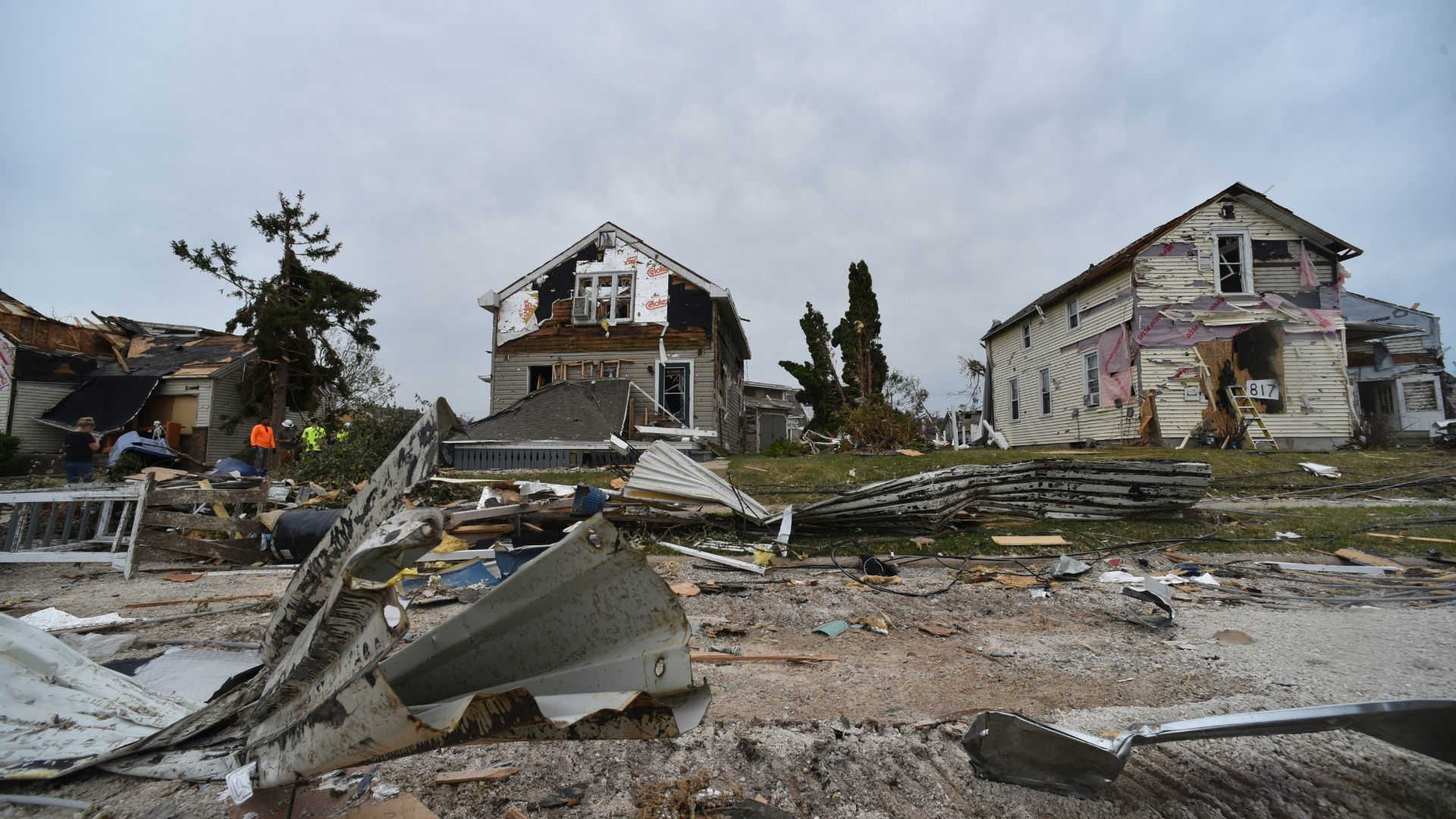
FEMA assistance for homeowners or renters is now available for designated counties for storms and flooding during July 27, 2026.
Designated counties include: Forest, Outagamie, Vilas and Winnebago Counties.
Additional Disaster Recovery Information
Storm and tornado survivors seeking cleanup resources or additional assistance can contact 211 to see what is available in their community.
If you’re feeling stressed or overwhelmed and need someone to talk to, the Disaster Distress Helpline offers free, 24/7, confidential, multilingual emotional support. Call or text 800-985-5990.
Resources
Storm Damage Cleanup
- Under Resources: Add a Storm Damage Cleanup section
- WI DNR: Cleaning up storm debris
- WI DHS: After Storm Safety
- Recovering from Disaster
- Insurance: After a storm hits
Flood Cleanup
Health Safety
Insurance
Home Repairs
- Home Improvement Tips (PDF Download)
- Home Improvement scammers
- WI DATCP Consumer Protection Hotline
- Call toll-free at (800) 422-7128
- Email: DATCPHotline@wisconsin.gov
Protecting Oneself from Scams After a Disaster
Scams often pop up after natural disasters or emergencies. You can avoid scams by being and staying aware of common scam tactics.
Imposter Scams & Phishing
Be aware of imposters. Scammers may pose as important people. They may claim they are working with a government agency. They bait their victim with great offers. Or they scare them with threats. They are ‘phishing’ for personal or financial information. Their goal is to get you to react through emotion instead of logic.
Possible types of natural disaster scams include:
- Fraudulent charities soliciting donations for disaster victims that often imitate the names of charities linked to the disaster.
- Scammers impersonating government officials, offering disaster relief in exchange for personal information or money.
- Scammers promoting non-existent businesses or investment opportunities related to disaster recovery, such as rebuilding or flood-proofing.
- Price gouging for essential goods and services needed by disaster victims.
Emergency Home and Property Damage Repair Scams
Review these warning signs before hiring a “professional:”
- A door-to-door salesperson is offering a ‘one-time only’ special deal;
- Feeling pressured to act now;
- The contract is confusing;
- They don’t have a license;
- They can’t give you references;
- You must pay for everything before they start the work;
- You must pay in cash;
- They will not write out their offer;
- Their vehicle has out-of-state license plates; and
- They don’t have a business sign on their vehicle.
Always:
- Get in touch with your insurance company;
- Speak to a local licensed professional;
- Review credentials and references;
- Get more than one written estimate; and
- Ask for a contract and read it carefully.
Flood-Damaged Vehicles
Flood-damaged cars are often sold online. They can quickly be shipped across the country. Making it common for car dealers outside the disaster area to receive and sell these vehicles.
Flood-damaged cars don’t always show damage right away. This doesn’t mean vital parts like airbag sensors, brakes, and electrical systems aren’t affected.
Before buying a used car get the VIN number. It’s important to do a VIN check. You’ll also want to review the vehicle’s history. And it never hurts to have a trusted mechanic inspect the vehicle.
Signs of a flood-damaged vehicle:
- Musty or “over-perfumed” smell;
- Discolored interior;
- Mold; or
- Water stains, moisture, mud, or residue in the trunk, under the carpet, or in unusual areas.
Best practices to keep your data and bank accounts secure include, but are not limited to:
- Donate to charities you know and trust.
- Designate the donation for a specific disaster relief effort as opposed to a general fund.
- Practice good cyber hygiene. Never click on links or open attachments in unsolicited emails, texts, or social media posts.
- To protect against common scam tactics such as Smishing, Vishing, and Spear Phishing, see – ic3.gov-PSA
- Verify the legitimacy of any solicitation by contacting the organization directly through a trusted contact number.
- Beware of organizations with names that are similar to, but not exactly the same as, those of reputable charities.
- Avoid charities that ask for you to pay by cash, gift card, virtual (crypto) currency, or wire transfer.
- Pay by credit card or write a check directly to the charity; do not make checks payable to individuals.
- Know that most legitimate charity websites end in “.org” rather than “.com.”
- Make contributions directly; do not rely on others to make a contribution on your behalf.